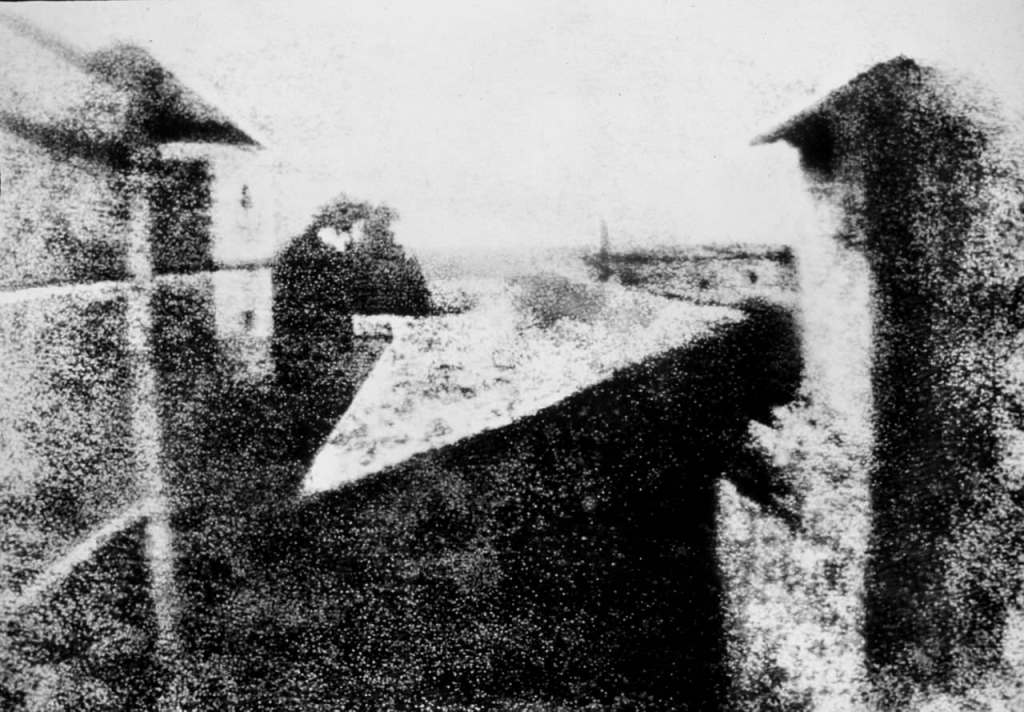
Photography is the art of capturing light with a camera, usually via a digital sensor or film, to create an image. With the right camera equipment, you can even photograph wavelengths of light invisible to the human eye, including UV, infrared, and radio.The first permanent photograph was captured in 1826 (some sources say 1827) by Joseph Nicéphore Niépce in France. It shows the roof of a building lit by the sun.
Cameras.
Many people today believe that their phone is good enough for most photography, and they have no need to buy a separate camera. And you know what? They’re not wrong. For most people out there, a dedicated camera is overkill.
That advice may sound crazy coming from a photographer, but it’s true. If you have any camera at all, especially a cell phone camera, you have what you need in order to take great photos. And if you have a more advanced camera, like a DSLR or mirrorless camera, what more is there to say? This is the guide for you – it’s time to learn photography.
Phones are better than dedicated cameras for most people’s needs. They’re quicker and easier to use, not to mention their seamless integration with social media. It only makes sense to get a dedicated camera if your phone isn’t good enough for the photos you want (like photographing sports or low-light environments) or if you’re specifically interested in photography as a hobby.
CAMERA PARTS
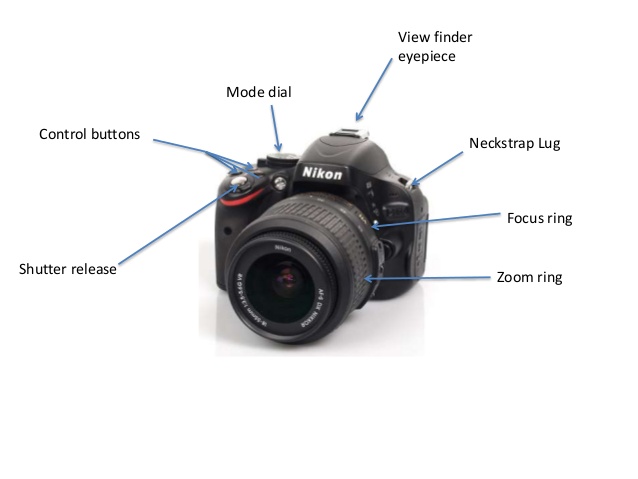
Mode Dial
The mode dial is one of the most important parts of the camera, giving you access to the shooting models. It helps to know what each icon means to achieve the best results when shooting.
View Finder Eyepiece
Looking through the viewfinder helps you stabilize the camera better. Additionally, when using the viewfinder you will have the camera braced against your body with your arms tucked in (instead of outstretched), which adds up to taking sharper images.
Neckstrap Lug
The single point attach lug-mount neck straps work great for light meters, small point and shoots, digicams, and cell phones which have a single attach point. It also works great if you just want to carry your camera vertically. The strap is made with a 1/2″ split ring which attaches to your camera.
Focus Ring
This is a ring on the lens body, which moves the lens elements inside the lens. By adjusting the position of the glass elements, the image produced by the lens can be brought into clear focus.
Zoom Ring
A zoom adjustment ring found on many digital video recorders and digital cameras. Zoom rings enable motorized zoom that allows you to change the focal length in real-time as you shoot.
Shutter Release
The shutter-release button is a push-button found on many cameras, used to record photographs. When pressed, the shutter of the camera is “released”, so that it opens to capture a picture, and then closes, allowing an exposure time as determined by the shutter speed setting.
Control Buttons
These buttons are used to lock settings such as exposure, aperture, shutter speed and focus when held down.
 PHOTOGRAPHY